Introduction
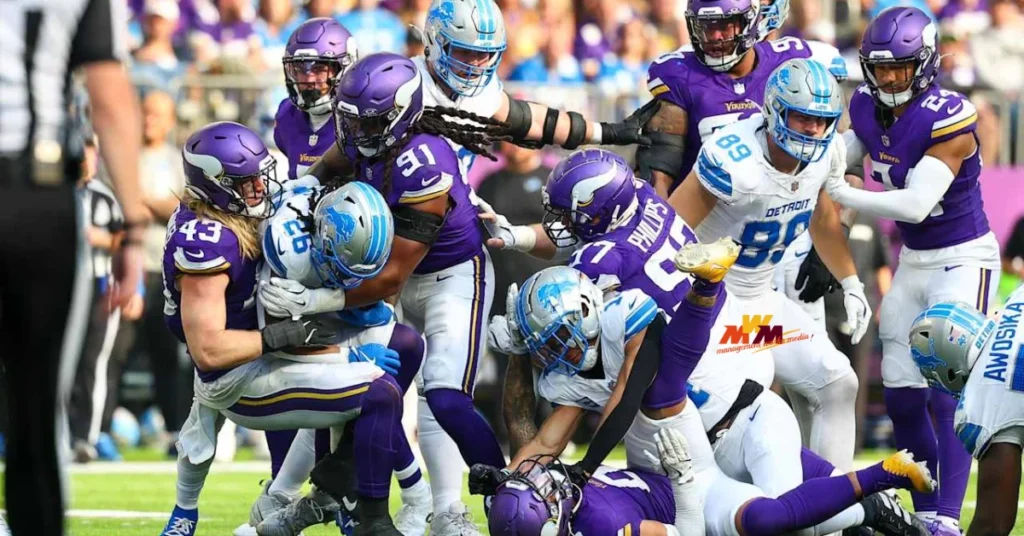
The Detroit Lions vs Minnesota Vikings match player stats highlight one of the most intense divisional rivalries in the NFL. Whenever these two NFC North teams meet, the game carries added significance due to playoff implications, familiarity, and pride. This matchup delivered a compelling blend of offensive explosiveness, defensive resilience, and standout individual performances that shaped the final outcome. By examining player statistics in detail, it becomes clear how execution, preparation, and situational performance influenced the flow of the game.
Quarterback Performances and Passing Production
Quarterback play was central to the Detroit Lions vs Minnesota Vikings match player stats. The Lions’ quarterback demonstrated confidence and control throughout the game, completing a high percentage of passes and maintaining offensive rhythm. His passing yard total reflected smart decision-making, with a focus on timing routes and exploiting defensive mismatches. He avoided unnecessary risks, which helped sustain drives and limit turnovers.
Running Backs and Rushing Yard Contributions
The ground game played a meaningful role in the Detroit Lions vs Minnesota Vikings match player stats. The Lions’ primary running back was effective between the tackles, displaying strong vision and balance. His rushing yards helped establish early momentum and forced the Vikings’ defense to respect play-action opportunities. The Vikings relied on their own rushing attack to maintain balance. Their lead running back contributed steady gains, especially on early downs, which helped set up manageable passing situations.
Wide Receiver Performances and Receiving Metrics
Wide receivers were among the most influential contributors in the Detroit Lions vs Minnesota Vikings match player stats. The Lions’ top receiver delivered an outstanding performance, leading the team in receiving yards and making several contested catches. His route-running precision and physicality made him a reliable target in high-pressure situations. Secondary receivers for the Lions also played crucial roles, spreading the field and preventing defensive focus on a single target. Their contributions were reflected in third-down conversions and red-zone efficiency. For the Vikings, their receiving corps showcased depth and versatility.
Tight End Impact on Offensive Efficiency
Tight ends contributed significantly to the Detroit Lions vs Minnesota Vikings match player stats, particularly in short-yardage and red-zone situations. The Lions’ tight end served as a dependable option over the middle, recording multiple receptions on third down. His blocking also supported the run game, adding value beyond the stat sheet. The Vikings’ tight end was equally impactful, using size and positioning to secure catches in traffic. His presence in the red zone drew defensive attention, opening opportunities for other receivers.
Offensive Line Performance and Protection Stats
Offensive line play heavily influenced the Detroit Lions vs Minnesota Vikings match player stats. The Lions’ offensive line excelled in pass protection, allowing minimal sacks and giving their quarterback time to progress through reads. Their run blocking was disciplined and effective, creating consistent lanes for the rushing attack. The Vikings’ offensive line faced greater challenges against the Lions’ defensive front. While they allowed some pressure, adjustments throughout the game improved protection. Their ability to stabilize in the second half helped the offense remain competitive.
Defensive Line Pressure and Sack Totals
Defensive line performance stood out in the Detroit Lions vs Minnesota Vikings match player stats. The Lions’ defensive front applied consistent pressure, recording multiple quarterback hits and disrupting the Vikings’ offensive rhythm. Their ability to collapse the pocket forced hurried throws and limited downfield opportunities. The Vikings’ defensive line responded with intensity of their own. They recorded sacks at key moments, particularly on third downs, preventing the Lions from fully capitalizing on offensive momentum. Their run-stopping efforts also improved as the game progressed.
Linebacker Play and Tackling Statistics
Linebackers played a crucial role in shaping the Detroit Lions vs Minnesota Vikings match player stats. Lions linebackers demonstrated excellent tackling efficiency, limiting yards after contact and maintaining discipline in coverage. Their awareness helped neutralize screen plays and short passes. Vikings linebackers were equally active, leading the team in total tackles. Their ability to read plays quickly and close gaps contributed to limiting explosive runs and keeping the game within reach.
Secondary Coverage and Turnover Impact
Secondary play proved decisive in the Detroit Lions vs Minnesota Vikings match player stats. Lions defensive backs maintained tight coverage, forcing contested catches and limiting big plays. A key interception shifted momentum and provided the offense with favorable field position. The Vikings’ secondary focused on zone discipline and communication. While they allowed some completions, they minimized yards after the catch and recorded multiple pass breakups that stalled Lions drives.
Special Teams Contributions and Field Position
Special teams performance added another layer to the Detroit Lions vs Minnesota Vikings match player stats. The Lions’ kicker was reliable under pressure, converting field goals that proved crucial in a closely contested game. Their punter consistently pinned the Vikings deep, influencing field position battles. The Vikings’ special teams unit delivered solid performances as well. Effective kickoff returns provided favorable starting positions, and their kicking game ensured scoring opportunities were not wasted when drives stalled.
Third-Down Efficiency and Situational Execution
Third-down performance was a key statistical category in the Detroit Lions vs Minnesota Vikings match player stats. The Lions converted a high percentage of third-down attempts, reflecting effective play-calling and execution. This efficiency allowed them to control possession and manage game tempo. The Vikings remained competitive in this area, particularly on short-yardage third downs. Their ability to convert in critical moments kept pressure on the Lions’ defense.
Red Zone Efficiency and Scoring Stats
Red zone execution separated the teams in the Detroit Lions vs Minnesota Vikings match player stats. The Lions capitalized on scoring opportunities, turning red-zone trips into touchdowns rather than settling for field goals. This efficiency played a major role in building their lead. The Vikings faced stronger resistance in the red zone, encountering disciplined defensive schemes that limited scoring chances. While they managed some successful drives, stalled red-zone possessions affected their ability to close the gap.
Turnovers and Momentum Shifts
Turnovers were pivotal in the Detroit Lions vs Minnesota Vikings match player stats. The Lions’ defense capitalized on takeaways, converting them into points and momentum swings. These plays energized the team and shifted control during key phases of the game. The Vikings worked to protect the ball, limiting turnovers overall. However, a single mistake at a critical moment proved costly and influenced the final outcome.
Coaching Strategy Reflected in Player Stats
Coaching decisions were evident throughout the Detroit Lions vs Minnesota Vikings match player stats. The Lions’ coaching staff emphasized balance, reflected in evenly distributed rushing and passing numbers. Their situational decisions demonstrated confidence in player execution. The Vikings’ coaches made halftime adjustments that improved defensive efficiency and offensive balance. These changes were reflected in improved second-half statistics, even as the Lions maintained overall control.
Time of Possession and Game Flow
Time of possession was a telling metric in the Detroit Lions vs Minnesota Vikings match player stats. The Lions held the ball longer, controlling the pace and limiting the Vikings’ offensive opportunities. This control contributed to defensive consistency late in the game. Despite less possession time, the Vikings maximized efficiency during their drives, relying on explosive plays to generate scoring opportunities.
Penalties and Discipline Metrics
Penalty discipline subtly influenced the Detroit Lions vs Minnesota Vikings match player stats. The Lions maintained low penalty numbers, avoiding drive-killing mistakes and preserving field position. The Vikings committed more penalties, particularly on defense, extending Lions drives. These infractions, while not overwhelming, had a cumulative impact on momentum.
Overall Team Comparison Through Player Statistics
When analyzing the full Detroit Lions vs Minnesota Vikings match player stats, balance and execution emerge as defining factors. The Lions displayed consistency across offense, defense, and special teams, resulting in a cohesive performance. The Vikings showcased individual brilliance and resilience but struggled to maintain consistency across all phases. Their effort kept the contest competitive, but key statistical differences proved decisive.
Conclusion
The Detroit Lions vs Minnesota Vikings match player stats tell the story of a hard-fought divisional battle defined by execution, discipline, and timely plays. Individual performances on both sides highlighted the depth of talent within the NFC North, while team-wide efficiency ultimately shaped the result. This matchup reinforced why Lions vs Vikings games remain among the most compelling in the NFL. Through detailed player statistics, fans gain a deeper appreciation for how every contribution, from star performances to subtle defensive efforts, played a role in determining the outcome.
You May Also Read: Minnesota Vikings vs Chargers Match Player Stats
